
Interesting videos, distilled.

Build & Sell Claude Code Operating Systems (2+ Hour Course)
The video reframes AI automation as an operating system: a durable, tool-agnostic layer that knows the business, reaches the right data, performs useful actions, and eventually runs on cadence.
Claude Video Editing Just Became Unrecognizable
Claude Code becomes useful for video editing when it orchestrates specialized tools instead of pretending to be a video editor itself: transcript/cut detection, timeline handoff, motion graphics, and rendering are separate responsibilities.

I Tried 100+ Claude Code Skills. These 6 Are The Best
The video is a practical sales/operator list: the Claude Code skills worth selling are the ones that turn one-off AI into repeatable business systems.

5 Claude Code skills I use every single day
The video is less about five random skills and more about a development pipeline: interrogate the idea, write a PRD, slice it into issues, implement with TDD, and periodically improve architecture.

CLAUDE CODE ADVANCED COURSE — 3 HOURS
This course is a broad operating manual for advanced Claude Code users: memory design, prompt architecture, harnesses, skills, subagents, browser automation, multi-agent orchestration, workspace organization, and security all matter more as the work becomes real.

FULL Guide to Becoming a Principled Agentic Engineer (Build Anything with AI)
The video argues for “principled agentic engineering”: keep humans responsible for planning and validation, but use coding agents as leverage inside a structured loop. The method is intentionally simple: brainstorm with the agent, clarify assumptions, convert the result into PRDs/tickets, implement with a repeatable PIV loop, and feed lessons back into the A

Paperclip: Hire AI Agents Like Employees (Live Demo)
Paperclip is an open-source orchestration layer for managing AI agents as if they were employees: roles, org charts, goals, budgets, skills, routines, and traceable work history.
How to Build Claude Agent Teams Better Than 99% of People
Agent Teams are more powerful than ordinary subagents when teammates need to message each other, share a task list, challenge work, and iterate before returning a final result.

Claude Just Changed the Stock Market Forever! (Tutorial)
The creator claims Claude can connect to Alpaca, market data, congressional/whale-trade feeds, and options workflows to automate retail trading strategies, including trailing stops, copy trading, and the wheel strategy.

This Claude Skill Creates UGC Videos on Autopilot (Claude + Seedance 2.0)
The creator argues that Claude Code plus Arcads/Seedance 2.0 can automate AI-generated UGC ads: analyze a winning social ad, adapt it to a new product, call Arcads via API, and stitch/render variants with minimal manual work.
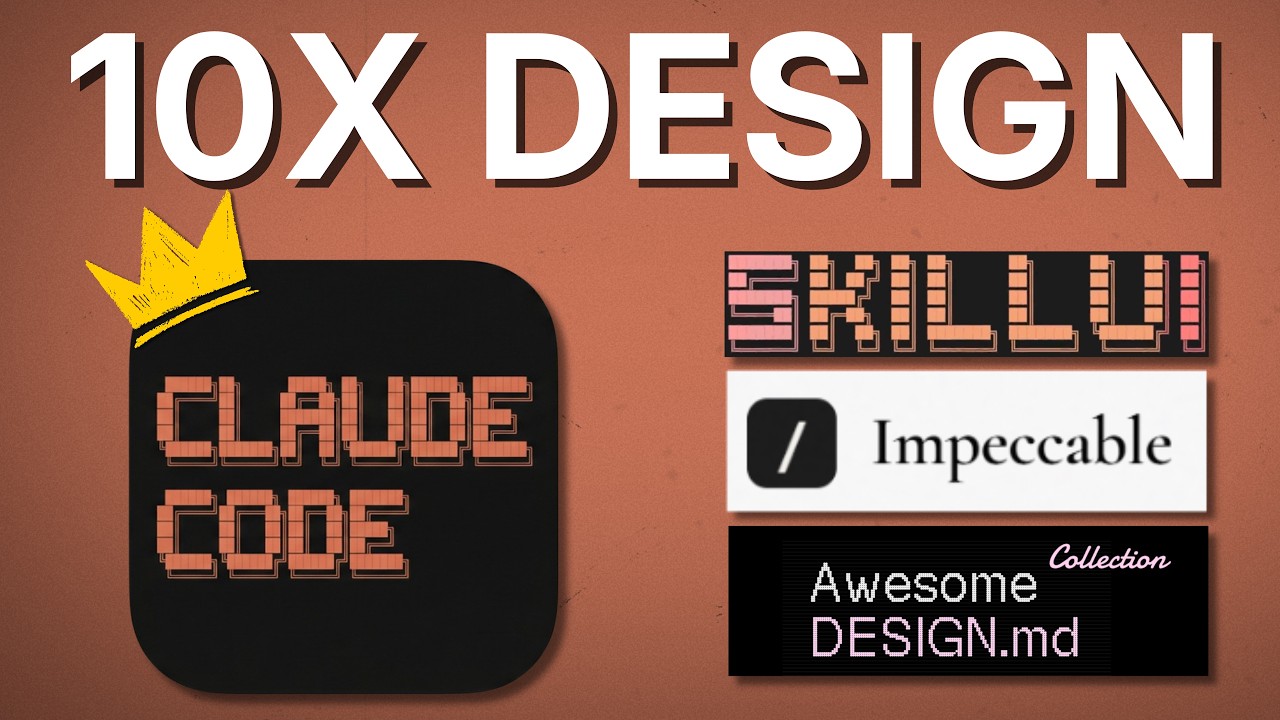
Top 10 Claude Code Frontend Design Skills, Plugins, & CLIs
This video is a toolkit tour for one specific pain point: Claude Code can generate working frontend code, but its default visual taste is weak and repetitive. The creator’s useful thesis is that frontend quality improves when you stop asking the agent to invent taste from scratch and instead give it stronger design inputs: anti-pattern rules, design-system m

Top 10 NEW Open Source Claude Code Tools (May)
The video is a fast filter over the current open-source Claude Code / coding-agent ecosystem. The creator’s real argument is not “install every shiny repo.” It is: coding agents are becoming more useful when wrapped in small, purpose-built operating layers — brevity constraints, structured memory, video/frame extraction, design-system references, token/cost

How to Build 24/7 Claude Agents. Easy.
Claude Code routines turn Claude from a local, laptop-dependent coding assistant into a remotely triggered automation worker. You can schedule it, call it from APIs/webhooks/GitHub events, give it a repo and cloud environment, and let it run one-shot agent tasks without keeping your computer open. The video’s deeper point is that “remote agents” require diff

I Gave OpenClaw $10,000 to Trade Stocks
The video is a real-money stress test of autonomous AI agents: can OpenClaw run a trading strategy with $10,000 for 30 days, monitor markets, adjust positions, and communicate progress with minimal human intervention? The honest answer from the video is: it can operate autonomously, place and manage trades, and adapt its strategy — but autonomy is not the sa

OpenAI Image 2 is Nuts. Here are 10 Ways to Use it.
The video argues that OpenAI / ChatGPT Images 2.0 has crossed an important threshold: it is no longer just “pretty good at pictures,” but strong enough for practical commercial workflows where text, realism, layout, product detail, and visual editing used to break image models. Nate’s main claim is not that GPT Image 2 wins every prompt. It is that, across m
Hermes Agent Just 10x’d Everyone’s Claude Code
The video argues for a “personal agent on a VPS” workflow: run Hermes as the always-on orchestrator, connect it to chat surfaces like Discord, give it Claude Code as a coding worker, then wire GitHub and Vercel so plain-English messages can become deployed software changes. The strongest version of the idea is not “fire humans and vibe deploy everything.” It
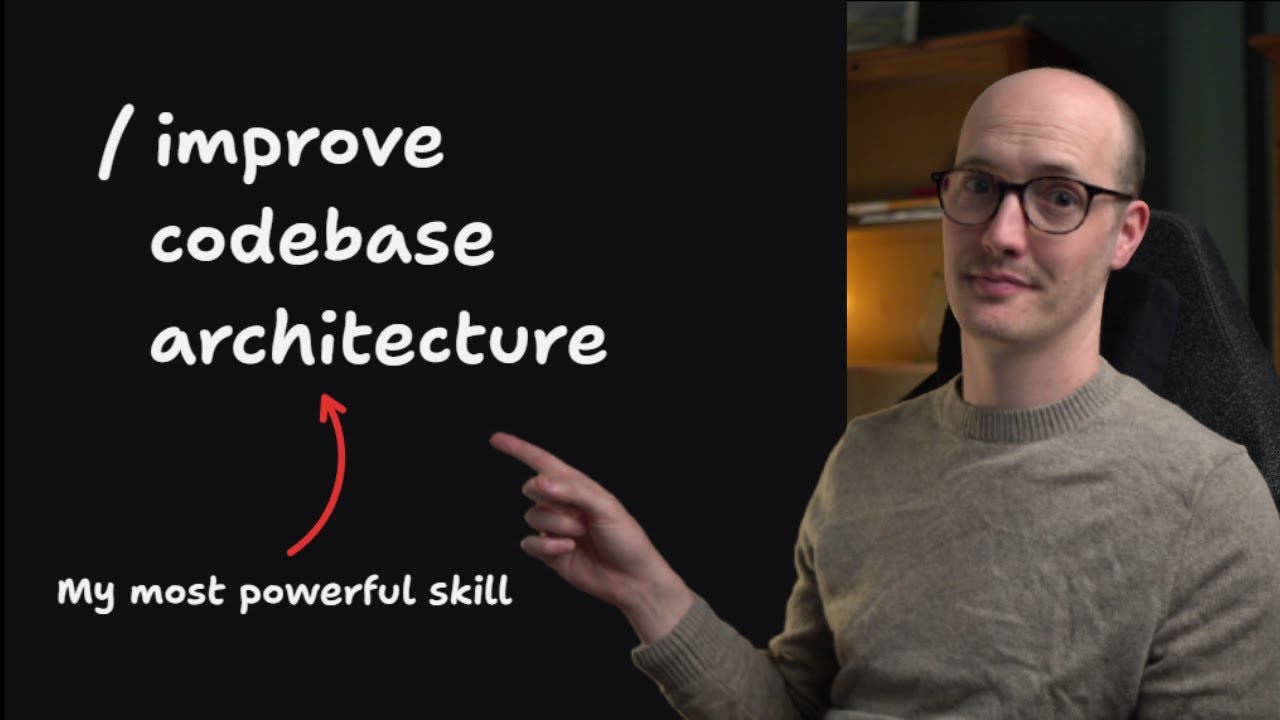
How To De-Slop A Codebase Ruined By AI (with one skill)
AI does not make code architecture irrelevant. It makes architecture debt compound faster. If agents repeatedly change a codebase without understanding its module boundaries, they create duplicated rules, weak seams, and shallow abstractions. The cure is not “use less AI”; it is to make the architecture more legible to both humans and agents through deep mod

ANOTHER Open Source Repo Just Cloned Claude Design
Open Design is an early but credible open-source, GUI-based alternative to Claude Design: essentially Huashu Design plus a polished interface, agent-harness flexibility, built-in design systems, and media-provider hooks. It is not as mature or fast as Claude Design yet, but it already covers enough of the prototype/deck workflow to matter — especially for us

LLM codegen fails and how to stop 'em — Danilo Campos, PostHog
Autonomous codegen works when you stop treating the model as a magic programmer and start treating it as a capable but context-hungry agent that needs fresh documentation, good examples, sequenced instructions, constrained tools, and feedback loops. Danilo’s strongest claim is that the PostHog Wizard succeeds not because it is mostly clever code, but because
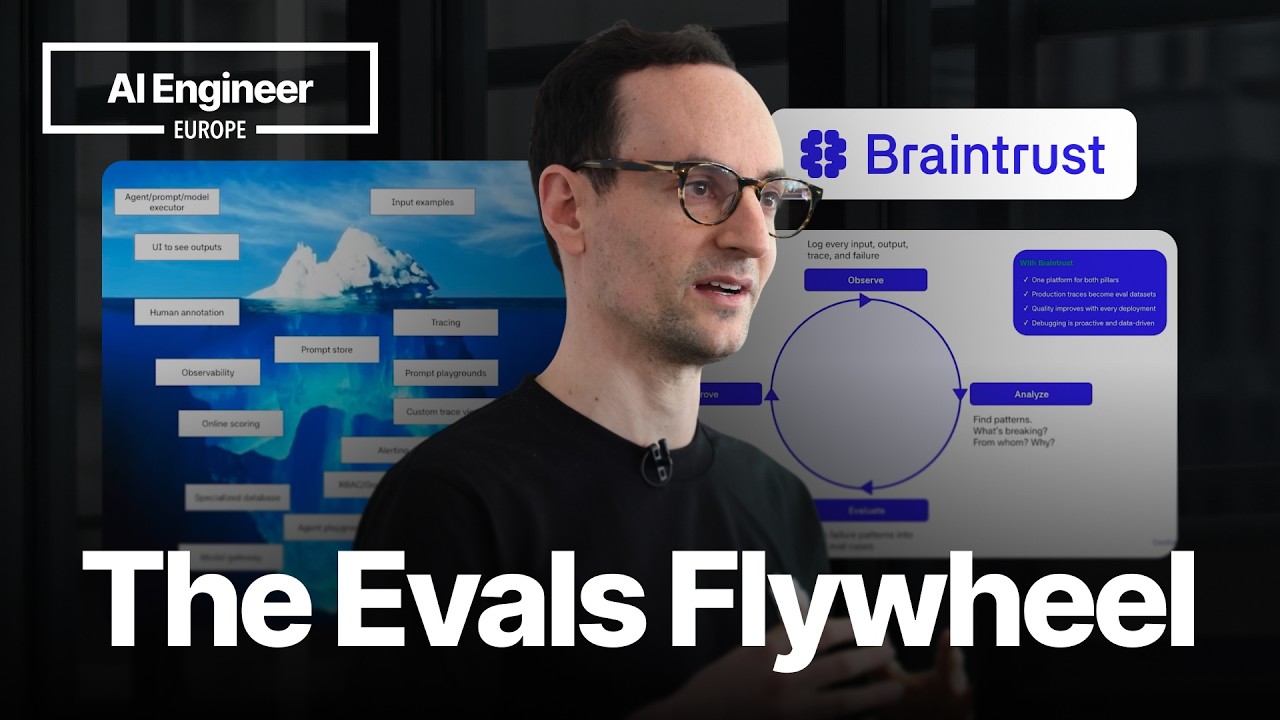
Why building eval platforms is hard — Phil Hetzel, Braintrust
An eval platform starts as “a spreadsheet plus a for-loop,” but it quickly becomes a serious agent-quality data system. The real problem is not drawing a comparison UI. The hard part is supporting a continuous loop between offline evals and production observability while storing, searching, scoring, and analyzing enormous semi-structured agent traces. Phil’s

“Software Fundamentals Matter More Than Ever” — Matt Pocock
Matt Pocock argues that AI coding does not make software fundamentals obsolete. It makes them more valuable. If AI can generate code faster, then bad architecture, unclear requirements, weak feedback loops, and ambiguous language become more expensive because they let the agent create chaos at machine speed. His practical message is: > Code is not cheap. Bad
Andrej Karpathy: From Vibe Coding to Agentic Engineering
Karpathy’s central claim is that AI coding has crossed from “helpful autocomplete” into a new engineering substrate: LLMs are becoming a programmable computer for broad information work, not just faster code generation. The practical shift is from writing every instruction yourself to designing context, specifications, feedback loops, and agent-native enviro
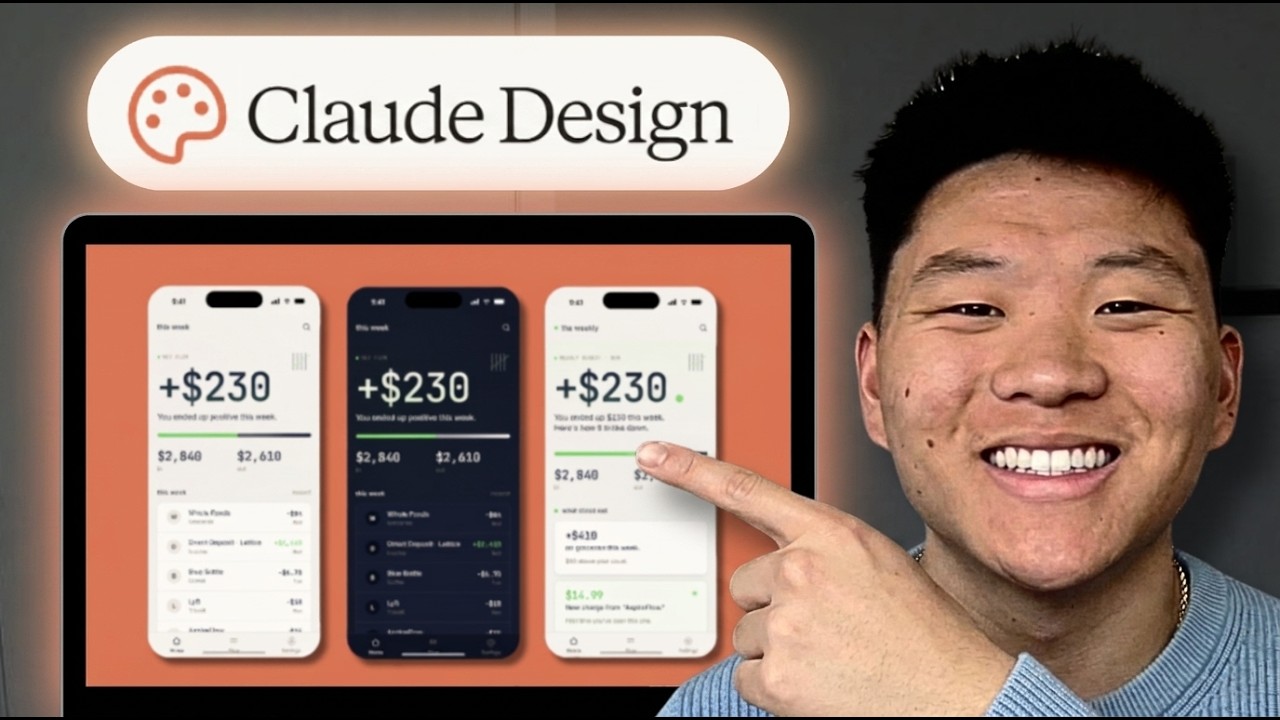
Claude Design 2 HOUR COURSE (Beginner to Pro)
This is a long practical walkthrough of Claude Design as a design-production environment: use normal Claude for strategy and thinking, then use Claude Design when you need visual artifacts — design systems, pitch decks, landing pages, app prototypes, and launch videos. The recurring lesson is not “just prompt harder.” It is: prepare context outside the expen
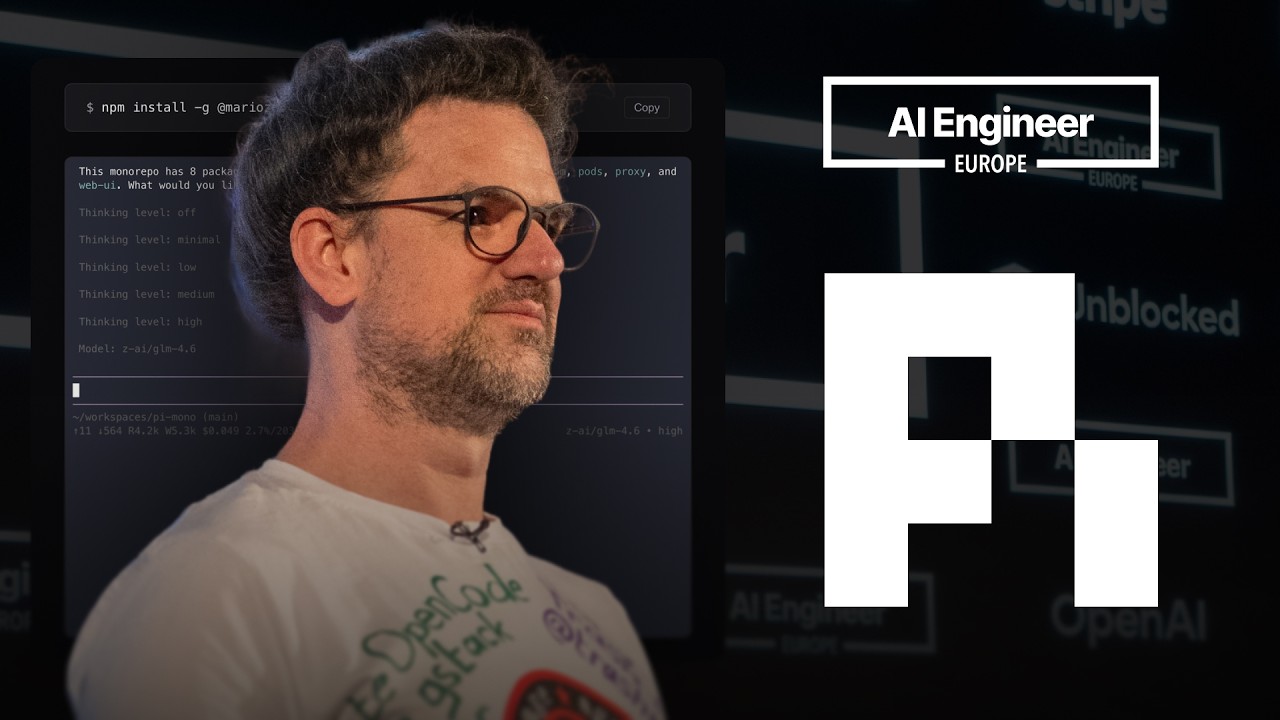
Building pi in a World of Slop — Mario Zechner
Mario argues that current AI coding culture is drowning in “slop”: too much generated code, too little understanding, too many brittle abstractions, and agent tools that hide or mutate context. His answer is pi: a minimal, malleable coding-agent harness where the user and agent control the workflow instead of being boxed into Claude Code/OpenCode-style assum